

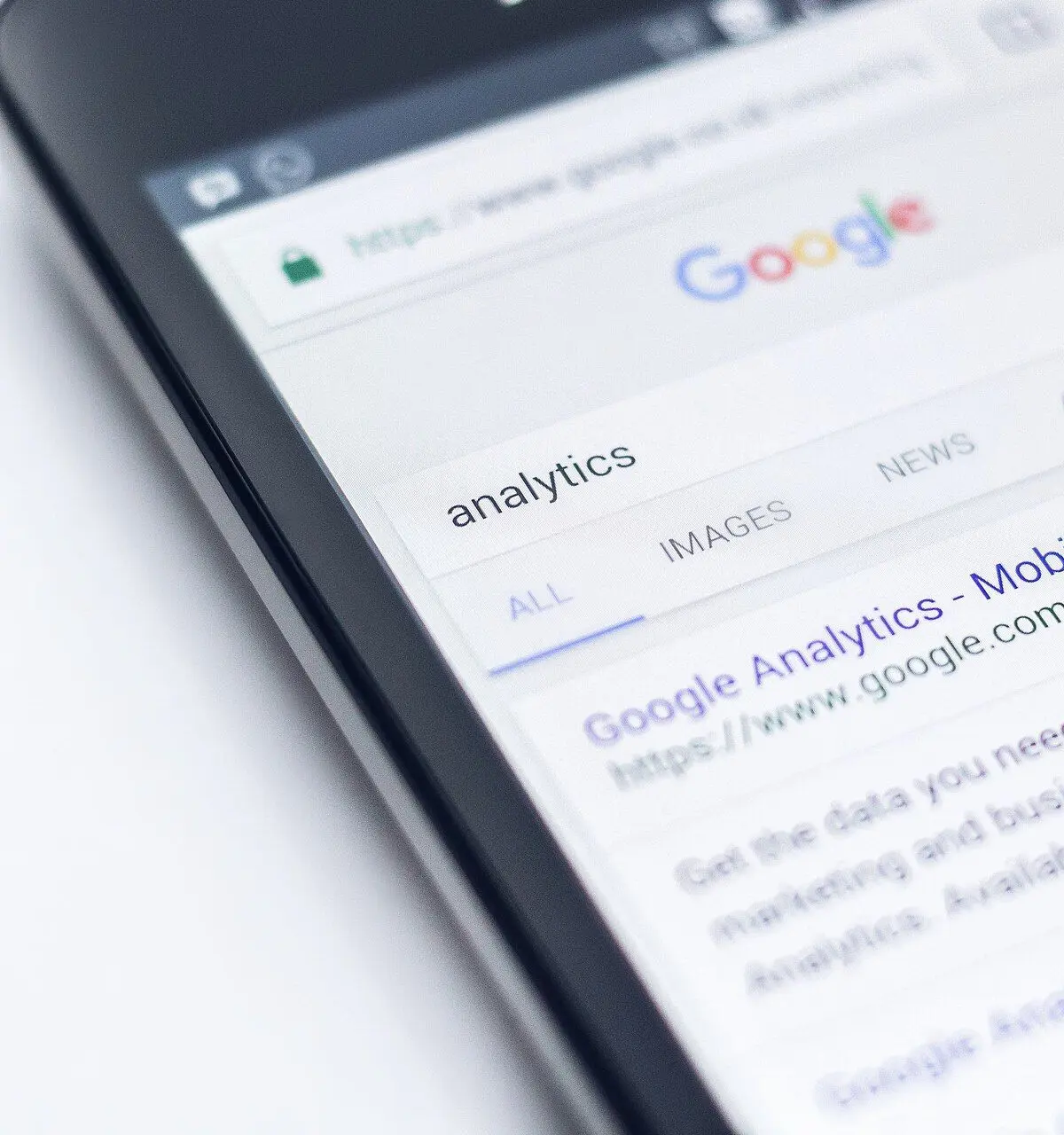
Google Analytics stopped loading for some users on the evening of September 29 and was fixed about an hour later, the same day Google added app conversions to its cross-channel reports with a catch: only Google's paid channels can take credit for them.
- Google Analytics had loading problems for some users on September 29, 2026.
- Search Engine Roundtable reported the issue was resolved about an hour later.
- Google also added app conversions to its cross-channel conversion reports.
- App conversions can only be credited to Google's paid channels, not to organic or direct visits.
- If your business has no app, the reporting change does not affect you.
Google announced it on September 29, 2026: Google Analytics now includes app conversions in its cross-channel conversion reports, according to Search Engine Journal, which says the change was posted on Google's What's new page. That same evening, Search Engine Roundtable reported that Analytics itself was having trouble loading for some users. One story is a short outage. The other is a reporting change most people will never notice. Both matter for the same reason. Many owners use Analytics to decide whether their website and their ads are paying off, and this week showed how much of that picture depends on Google's own settings and uptime.
The Analytics outage was real but short
According to Search Engine Roundtable's Barry Schwartz, Google posted on its status report at 8:57 pm ET that it was 'investigating reports of an issue with Google Analytics.' Two minutes later, Google added that service 'has already been restored for some users' and that it expected 'a resolution for all users in the near future.' It also warned that this time frame was an estimate and could change.
Schwartz noted that Google did not really give a time frame for a full fix. He also wrote that he personally saw no problems accessing Analytics and few complaints about it. An update to his post says the issue was resolved an hour or so later, with Google writing that 'the problem with Google Analytics has been resolved.'
Search Engine Roundtable describes the problem as issues with loading the platform. The report does not say whether any visitor data was lost or delayed, and Google's quoted statements do not address that either. If your dashboard would not open that evening, this is the likely reason, and by the sources' account it was temporary.
App conversions now sit beside web conversions in one view
The second change is quieter but will last longer. Search Engine Journal reports that Google updated its conversion reports to fully support app conversions. They now show up in three places: the Conversion performance report, attribution analysis, and the attribution models report. Put simply, if your business has both a website and an app, you can now compare sales or bookings from each in one place instead of two.
Each report does a different job, per Search Engine Journal:
- The Conversion performance report shows which channels drive the conversions you pick, with a toggle between Analytics and Google Ads attribution settings.
- Attribution analysis shows assisted conversions and splits touchpoints into early, mid and late stages.
- The models report compares conversions across different attribution models.
Google also says you can set attribution settings for app conversions separately from web ones.
There is an important limit on who sees this: Search Engine Journal says the Conversion performance report only displays conversions shared with a linked Google Ads account, so the update reaches advertisers who import app conversions from Analytics into Google Ads. The feature is also not yet available for every property, though Google says it is actively working to bring it to more.
Organic and direct visits cannot earn credit for app sales
This is the detail that deserves more attention. Analytics has a setting called Paid and organic channels, and Search Engine Journal says it works for the web only. With it turned on, web conversions can be credited to organic search, direct visits and Google Ads. Google's attribution settings page, as quoted by Search Engine Journal, states that 'app conversions always use Google paid channels.'
That means a customer who found you through a normal Google search and then booked in your app cannot show up in these reports as an organic win, because only Google's paid channels are eligible for the credit. Think of it like a survey at your front desk where the only answer printed on the form for app bookings is 'I saw your Google ad.' The bookings are real, but the question can only be answered one way.
Other pieces still do not support apps, according to the same report. Cross-channel budgeting covers web conversions only. Search Engine Journal says these are the projection and scenario planning tools Brooke Osmundson described in March, which were still in beta according to her update. Some reports also still run on key events rather than conversions. As of September 30, Google's reporting page advised users to keep using key events where a report does not support app conversions, and it named the Attribution paths report as one example.
The other side: Google has not said whether the Paid and organic channels setting will ever open to app conversions. Search Engine Journal notes that neither Google page addresses it. Google has also not given a timeline for reaching every property or for bringing app conversions into cross-channel budgeting. On the outage, no source here says what caused it or whether any data was affected. Until Google fills those gaps, app numbers in these reports will lean toward crediting paid Google channels, and owners should read them with that in mind.
Several other Google tools wobbled the same week
The Analytics news landed in a week when other Google tools that owners rely on also shifted. None of these are part of the Analytics announcement. They do raise the same question: can you trust what Google is showing you right now?
Map pins in the ocean. On September 29, Search Engine Roundtable reported a bug first spotted by Dipa Gandhi. She wrote on LinkedIn that for service area businesses, Google Maps showed the correct area served but the profile showed a pin in the middle of the ocean. She said she was seeing it on many profiles, and others confirmed it in the comments. It reportedly affects some service area businesses that do not list their address publicly. Schwartz wrote that it was not clear whether Google was even aware of it yet.
Reviews behind a sign-in. On September 30, Search Engine Roundtable reported that Google Maps now requires people to sign in to a Google account to see all the reviews on a Google Business Profile listing. Signing in is also required to sort reviews or leave one. Schwartz guessed the goal is to stop bots, scrapers and AI platforms, but that is his assumption, not a reason Google gave.
A spam update with a long tail. Semrush reports that Google released its September 2026 spam update on September 24. It applies worldwide and in all languages and is Google's fourth spam update of 2026. Google says the rollout may take up to two weeks. Google's John Mueller said on Bluesky it is 'likely to take longer than some of the previous ones.' Per Semrush, the previous three each finished in under three days. Google has not said what this update targets.
AI Overviews on brand searches. Search Engine Roundtable reported on September 30 that Chris Long found AI Overviews showing for 93% of the brands he tested, which Schwartz put at about 100 brands. That is one practitioner's test, not a Google announcement. Schwartz also noted that most of the examples appeared lower down the results page rather than at the top.
What to check before trusting this week's numbers
If you do not have an app, the Analytics change does not touch you. There is nothing to switch on and nothing to fix.
If you do have an app and you advertise on Google Ads, open your Analytics property and check whether the conversions section is there at all. Search Engine Journal suggests this because Google's availability note covers the whole area, not just the app addition. When you compare channels, remember that organic and direct visits cannot receive credit for app conversions, so a report that makes your ads look like the only thing driving app sales may be describing the setting rather than your customers.
If you run a trades company or any business that serves customers at their location and hides its address, look up your own Business Profile on Google Maps and check where the pin sits. If your rankings moved after September 23, when Search Engine Roundtable reported volatility starting, Semrush suggests treating the spam update as a watch period until Google marks it complete on its Search Status Dashboard. It also suggests checking whether competitors moved too before blaming the update.
Bottom line
The Analytics outage was a short scare, and Google says it was resolved within about an hour. The app conversions change is more useful and more quietly limited. It puts web and app results in one view, but only for some properties, only for conversions shared with Google Ads, and with app credit reserved for Google's paid channels. The practical lesson is that Google's reports are shaped by Google's settings, so the story they tell about your marketing is only as fair as the rules behind them.
The last time you checked which channel brings in your customers, did you know which rules were deciding the answer?
What this means for your business
If your business has no app, the Analytics change does not affect you, and the September 29 outage was resolved within about an hour, so there is nothing to do. If you have an app and run Google Ads, remember that app conversions in these reports can only be credited to Google's paid channels, never to organic or direct visits. If you serve customers at their location and hide your address, check where your Google Maps pin appears today. If your rankings moved after September 23, wait for Google to mark the spam update complete before drawing conclusions.
- Google Analytics Outage : Google Working On Fixseroundtable.com · publisher
- Google Analytics Adds App Conversions To Cross-Channel Reportssearchenginejournal.com · publisher
- Google Maps Requiring Sign In To Read All Reviews & Moreseroundtable.com · publisher
- Google AI Overviews Showing For Many Large Brand Namesseroundtable.com · publisher
- Google Business Profiles Bug Places Service Area Businesses Map Pins In Middle Of Oceanseroundtable.com · publisher
- Google releases September 2026 spam updatesemrush.com · publisher
Primary: the company or body that made the announcement. Publisher: reporting by a named outlet. Expert: a named practitioner's own account.
Written with AI from the sources listed above, and checked automatically against them.
Is your business named when someone asks ChatGPT or Gemini who to call?
We check the answer for you, for free, and show you what would change it.
Run the free AI check